
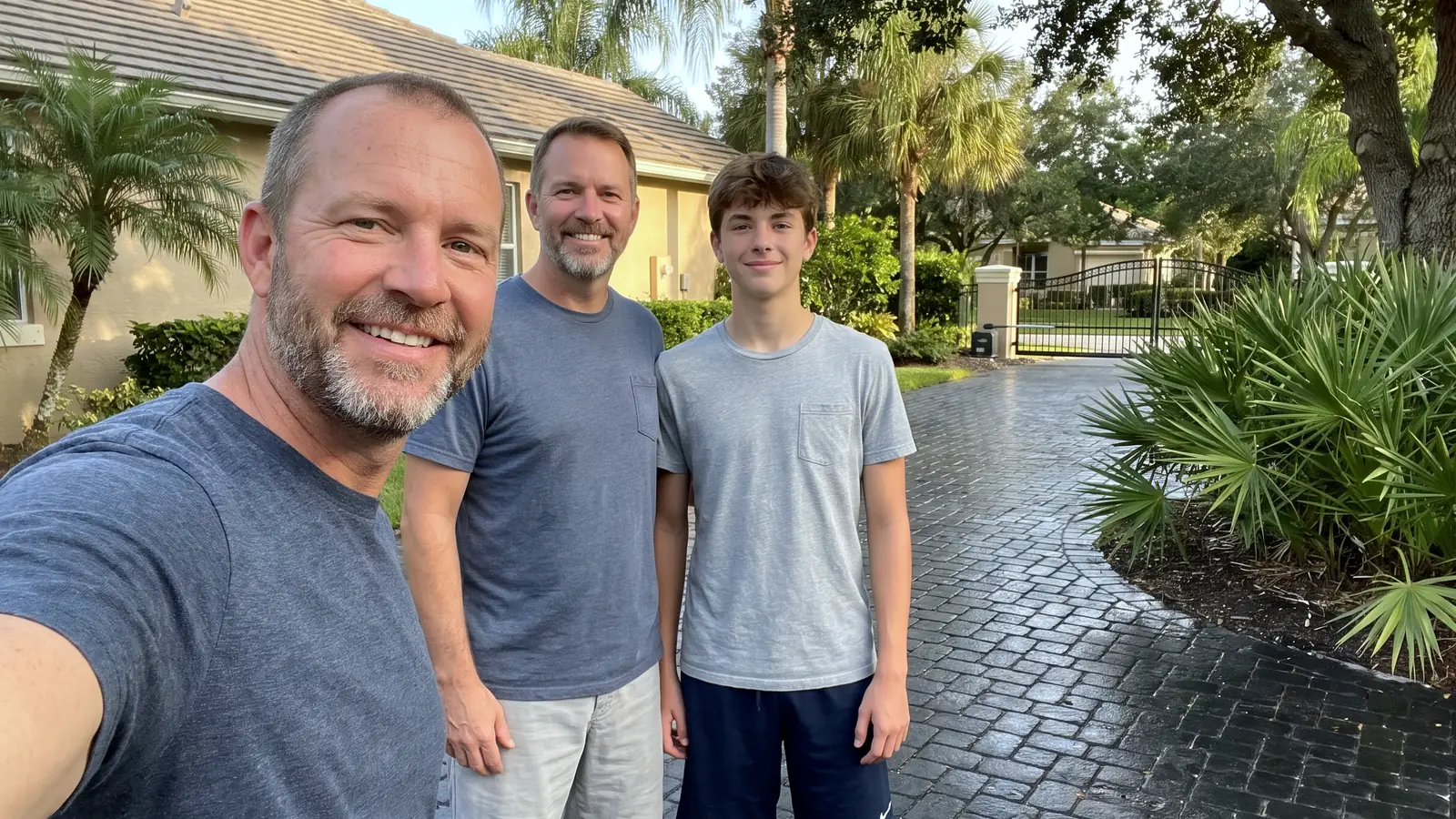
Paver sealing for Clearwater homes
Paver Sealing in Clearwater, FL
Clearwater's population grew more than fivefold from 1950 to 1980; call (727) 475-7154 for a free paver sealing estimate.
- Brings out deeper paver color
- Fresh joint sand helps lock pavers in place
- Gives weeds less room to grow
- Makes the surface easier to keep clean
- Free estimate, no obligation
Request a Free Estimate
Free, no obligation.
Fast, careful paver sealing in Clearwater
Clearwater homeowners can get paver sealing from the downtown bluff to the streets near Moccasin Lake, and the first step is a free estimate. A local contractor cleans the surface, tops up the joints and applies the coat. Reply times are short: ask for a free estimate and you hear back within 1 business day, usually much sooner.
In 1950 Clearwater counted 15,581 people, and by 1980 it counted 85,170. A lot of its housing likely dates to that stretch, so plenty of driveways have seen decades of sun, rain and owners. If yours looks dull, patchy or green in the joints, call (727) 475-7154 and describe what you see. The contractor can say what a worn coat means for the job, with no obligation.
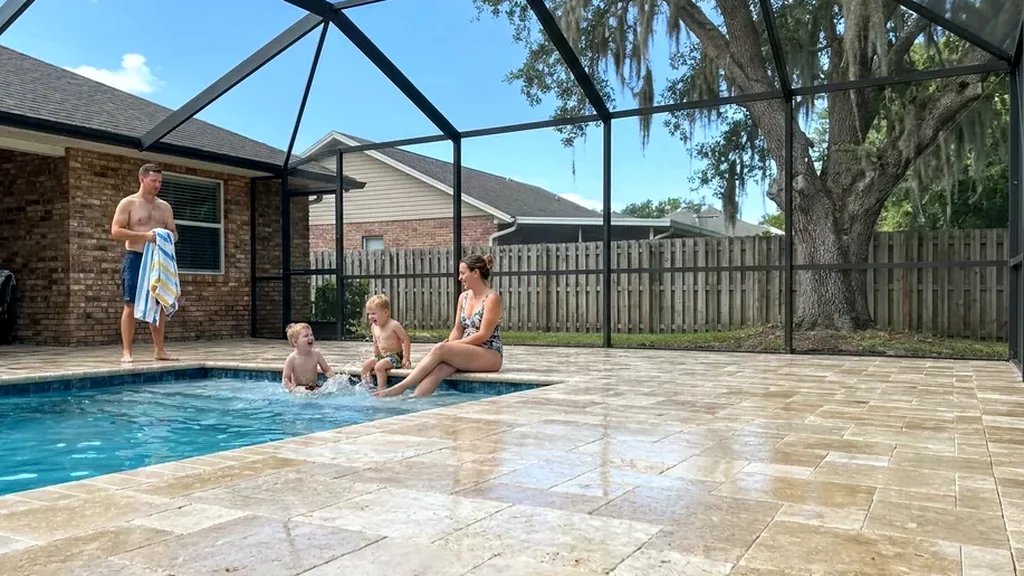
Why hire a local paver sealing contractor in Clearwater?
Two things set Clearwater apart: a mainland that sits by the bluff and a beach island that sits in the salt. To hear which one applies to your driveway, ask for a free estimate.
Bluff or beach
Say which side of the causeway you live on, and the contractor plans the rinse and the upkeep to match.
Water in the air
Clearwater's humid subtropical climate keeps shaded decks damp, so the plan includes extra dry time before any coat.
Finish on your terms
Matte, satin or wet look: you pick the finish, and the contractor explains how each one wears over time.
A free look, no strings
The estimate costs nothing and carries no obligation. You settle on a date only after you see the number.
Get Your Free Estimate in Clearwater
Tell us about your pavers in Clearwater.
Free, no obligation
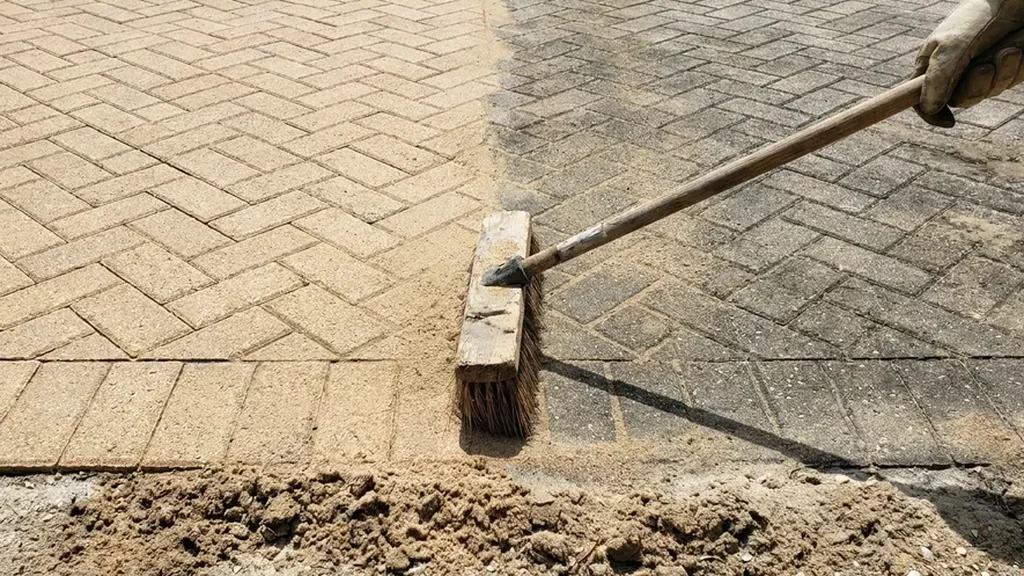
What paver problems show up most in Clearwater?
Pavers added after the growth years
Clearwater grew from 15,581 people in 1950 to 52,074 in 1970 and 85,170 in 1980. Homes from those decades are old now, and pavers added later often came with a sealer nobody wrote down. The reason is simple: water-based sealer will not go over solvent-based sealer. Before picking a product, the contractor finds out what is already on the surface. A patchy or peeling coat is a clue that the old product needs attention first, and a small test spot can settle the question. The city kept growing after 1980, reaching 107,685 people by 2010, so newer pavers now sit beside much older ones. Cleveland Street, one of the city's historic avenues, sits among the oldest blocks, while the farther streets filled in later.
Most of the rain in four months
Wikipedia says nearly two-thirds of the yearly rain at Clearwater Beach falls from June through September. The National Weather Service adds that the rainy season peaks from July to early September. Hard downpours wash sand out of the joints, and open joints let in weeds and ants. Fresh sand goes back in after the wash. If your joints look low after a wet summer, that is the reason, and it is fixable before the new coat goes on. Clearwater Beach alone holds about 2.5 miles of Gulf sand, and the downpours that soak the sand soak driveways a few blocks inland too. The dry season runs from October through May, so those months give the easiest sealing weather, with sun and little rain.
Damp air that keeps green alive
Clearwater has the Gulf on one side and Tampa Bay on the other, and rainy-season dew points stay above 70 degrees. Shaded patios and pool decks stay damp, so green film and mildew come back. Sealer needs a dry surface, which means a damp deck has to wait. Mildew on a lanai floor is the common sign, and it has to be washed off first. A careful contractor would rather lose a day than seal over moisture. Even streets far from the beach share the same humid air, since the whole city sits between the Gulf on one side and the bay on the other. Clearwater lies in hardiness zone 10, where cold rarely slows growth, so green film can return in any month.
Orange streaks from sprinklers
The University of Florida says most Florida well water is high in iron, and iron-rich irrigation water leaves orange streaks. A sprinkler head aimed at a Clearwater driveway can paint the same rust fan again and again. Rust is treated during the wash. Sealing over it would lock the stain in. If the sprinklers keep spraying the same spot, mention it, because the rust can return and the heads may need a new aim. The same university note says rust deposits can form on anything the water touches, plants included. A Pinellas company notes that sealed pavers resist oil stains and leaf marks, which makes later cleaning easier.
Loose sand and wet ground underneath
A soil survey summary lists Myakka, a loose sand, as the most common soil in Pinellas County. It says groundwater sits inside two feet of the surface under about 43 percent of the county. Pavers on soft, wet ground can settle over the years. A Pinellas company lists shifting pavers as a result of long moisture exposure, so low spots get fixed before sealing. Ask the contractor to point out any dips on your driveway during the first walk-around. County soil data also says soils change over short distances, so two Clearwater lots can drain differently. Settled pavers near a pool deck or a downtown curb are flagged on the first walk-around, since repairs come before sealing.
Does the age of my Clearwater street change how my pavers get sealed?
Street age tells a contractor what to expect under your pavers. Clearwater started as a railroad stop in 1888, and most of its people arrived after 1950. Blocks near downtown and the bluff are the older ones, so mention any old sealer when you ask for a free estimate.
Clearwater Beach is part of the city but sits across the Intracoastal Waterway, linked by the Memorial Causeway. A Tampa Bay company says waterfront homes face added salt air. Homes near Moccasin Lake sit farther from the surf, so say which side you are on when you call (727) 475-7154.
Pool decks and lanais matter in every neighborhood, because heat and humidity keep them wet. A wet deck cannot be sealed. To see a finish before committing, ask for a small test patch when you ask for a free estimate.
The Pinellas Trail runs 47 miles through the county on former railroad corridors, and it passes through Clearwater. Homes near the trail are easy to place on a map, so mention it, or the nearest cross street, when you call (727) 475-7154.
Climate sets the pace in every Clearwater neighborhood. Wikipedia calls it humid subtropical, with a wet season from June through September and a dry season from October through May, and the dry months are the easiest time to seal. Beach hardiness zone 10 means frost is rare. Ask which month suits you when you ask for a free estimate.
What does paver sealing cost in Clearwater?
Published Tampa Bay pricing is $1.25 to $2.50 per square foot to clean, sand and seal. A Clearwater job slides toward the top of that band when a pool cage, a screened lanai and a long driveway all need work, or when old coating has to come off first. Because lots differ from the bluff to the beach, the free estimate starts with a measurement. For a number, ask for a free estimate.
Two other things move a Clearwater quote. Joint sand that rain has taken needs replacing, and steps or edges add handwork. Small jobs also hit a minimum charge, which is why a patio sealed alone can look pricey per foot. To see where yours falls, call (727) 475-7154.
| Paved area | Typical example | Clean, sand and seal |
|---|---|---|
| 300 sq ft | Small patio or walkway | $375 to $750 |
| 600 sq ft | Two car driveway | $750 to $1,500 |
| 1,000 sq ft | Large driveway or pool deck | $1,250 to $2,500 |
| 1,500 sq ft | Driveway plus pool deck | $1,875 to $3,750 |
Math based on the $1.25 to $2.50 per square foot that Tampa Bay paver companies publish. Your contractor sets the actual price after seeing the surface. Repairs, leveling and stripping failed sealer are usually extra.
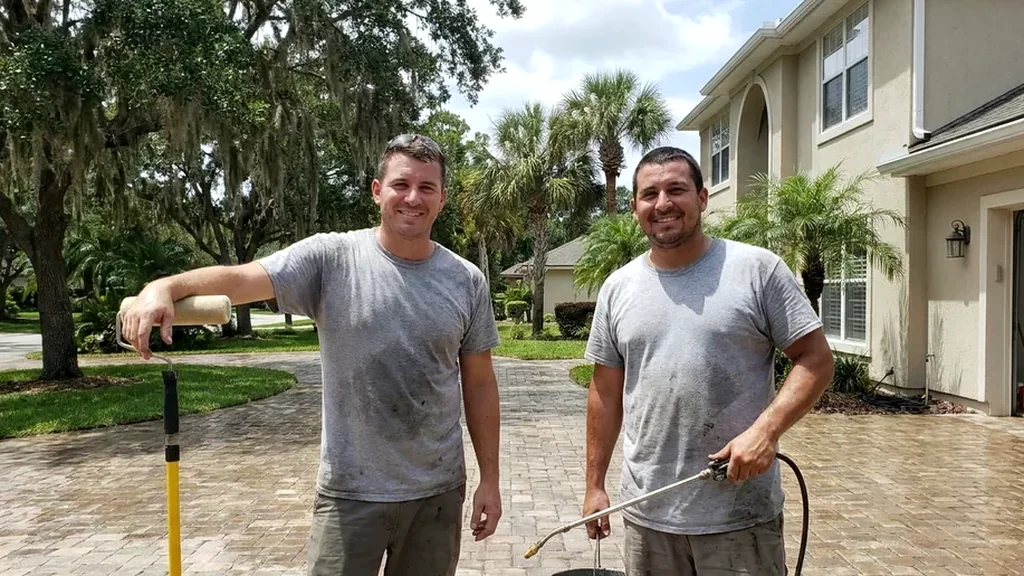
How does a paver sealing job work in Clearwater?
Survey the surface
The contractor surveys the drive, walk and pool deck, noting shade, stains, pooling water and sunken pavers. A pinpoint test shows which sealer is down, because water-based cannot cover solvent-based.
Scrub off the green
A wash lifts algae, rust and grime, then the cleaner is rinsed off. Shaded corners, where Clearwater's damp air brings green back first, get a second look.
Re-sand the joints
Fresh sand goes in where the wash and past rain took it out, a paver maintenance guide notes, and a sweep clears loose grains.
Dry out
Sealing waits for dry pavers. In the wet season that can mean watching the forecast for a few days before picking a morning.
Seal
The coat goes down in matte, satin or wet look, applied by spray and roller. One Pinellas company says feet can return in a few hours and cars in 24 to 48.
Complete paver services in Clearwater
Every Clearwater job moves through the same five stops: a look, a wash, fresh sand, drying time and the coat. Nothing is sealed until the surface is clean and dry. That order keeps algae, rust and old film from getting trapped under the new layer. To hear how long each stop takes at your address, call (727) 475-7154.
Pool decks and lanais are the Clearwater surfaces that stay wet longest, and they pick up chlorine and sunscreen. Driveways take tires and sprinkler spray, while front walks under trees collect leaves. Each one ages in its own way, so a single plan seldom fits all three. List the areas you want done when you ask for a free estimate.
Finish is the choice people remember. A Pinellas company lists natural, satin and gloss, and calls satin popular on pool decks. Under all of it sits the base, water or solvent, and an old coat settles that question first. Call (727) 475-7154 if you would like to talk through the options.
Weather sets the calendar. The weather service puts the peak of the rainy season from July to early September, so dry days in that stretch are worth grabbing. A Pinellas company says light foot traffic is fine within hours, though cars should wait a day or two. To lock in a dry week for your Clearwater job, ask for a free estimate.
Questions to ask before you hire
- My sprinklers leave orange rust stains on the pavers. Can those come out before sealing?
- Do you refill the joints with new sand after the wash, and what kind?
- Which sealer will you put on my pavers, and why that one over the others?
- Do you cover my pool cage, plants and landscape lights before you spray?
- What happens to the old sealer if mine is peeling or cloudy?
- Can I get the square footage, the sealer and the price in writing before any work starts?
- Can I see proof of your liability insurance before you start?
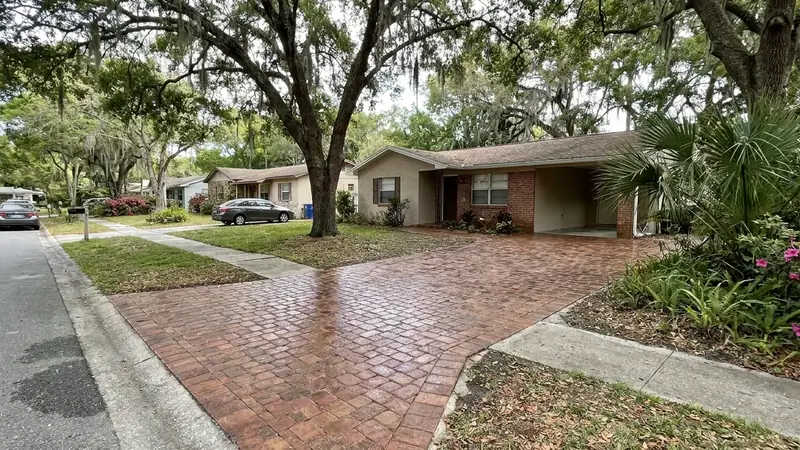
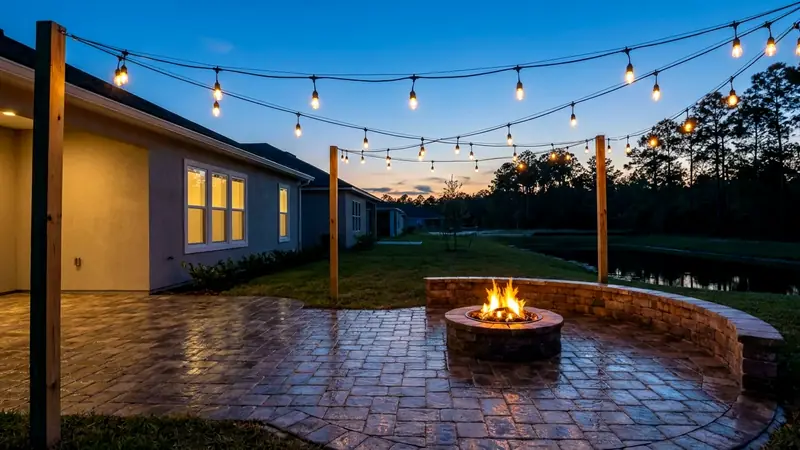
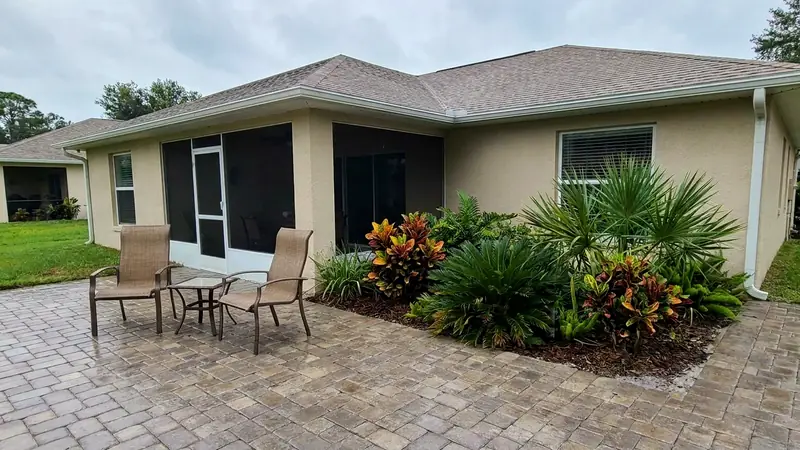
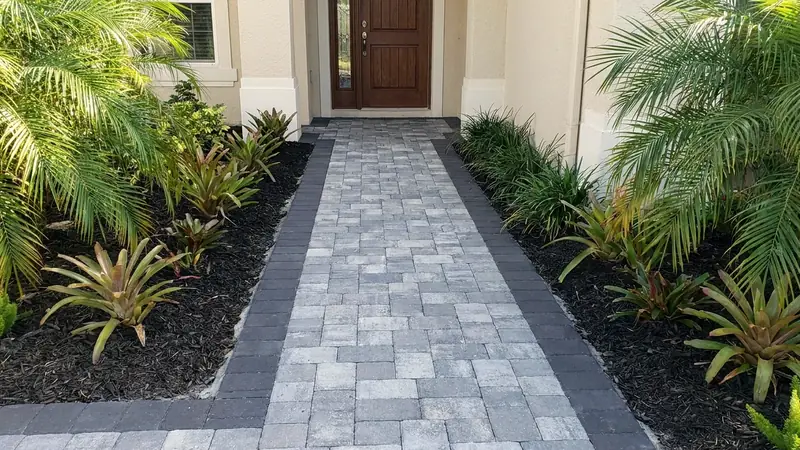
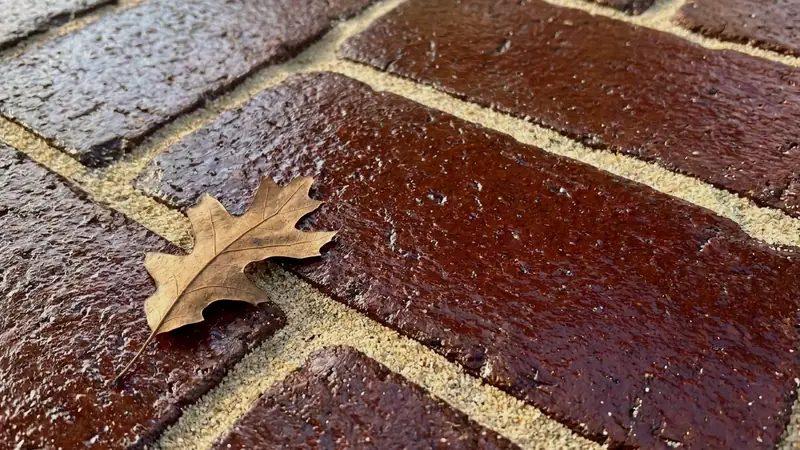
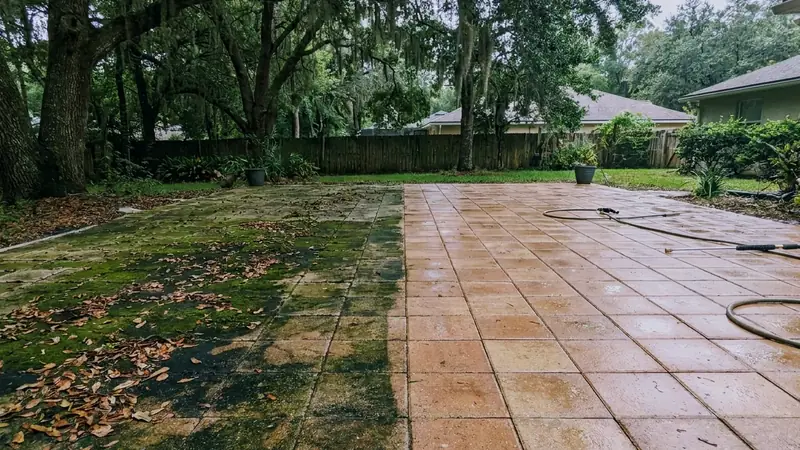
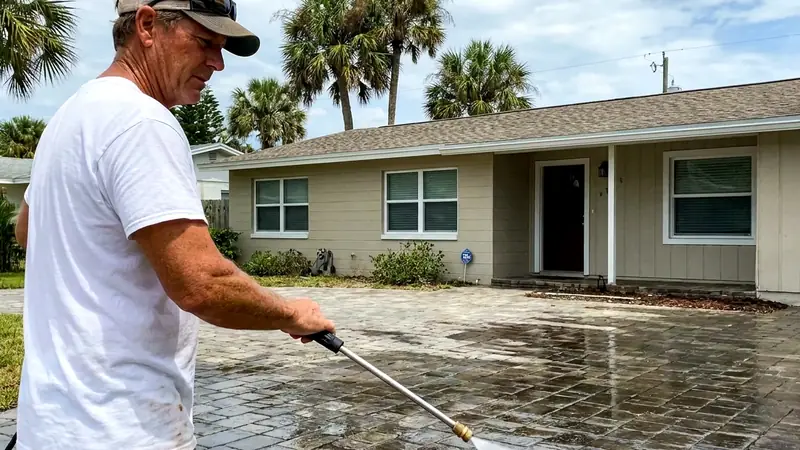
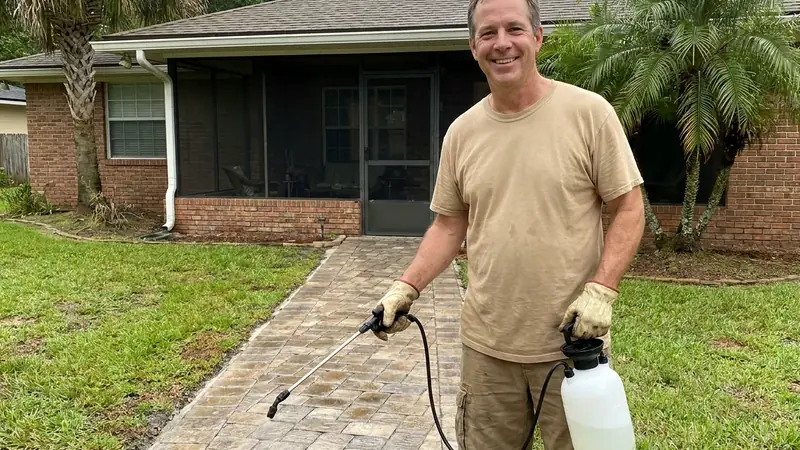
What do sealed pavers look like around Clearwater?
Why local matters in Clearwater
Ask a Clearwater contractor where the home sits and the answer matters. A beach house across the causeway deals with salt, while a mainland house near Moccasin Lake deals with shade and damp. Knowing both sides of the city is the local edge. Call (727) 475-7154 to reach a contractor who works Pinellas County.
Afternoon storms are a Clearwater habit from June through September, when nearly two-thirds of the year's rain falls at the beach. A contractor who lives with that calendar keeps a spare day open. To see how it plays out for your address, ask for a free estimate.
Past work is the third local question. Many Clearwater driveways were laid decades ago by earlier owners, so a coat may exist that nobody recorded. If you remember a shine or a peel, say so when you ask for a free estimate.
What should a Clearwater homeowner know about how the city grew?
The city began as Clear Water Harbor in 1888, when Peter Demens's railroad arrived. A bridge to the beach went up in the 1910s, and the Memorial Causeway first opened in 1927. Wikipedia says the name may come from a freshwater spring near the old City Hall, and downtown streets date to the early railroad years. If you live near them, ask for a free estimate and mention how old your street is.
Landmarks tie the story together. The Capitol Theatre opened in 1921, Moccasin Lake Nature Park in 1982, and the Pinellas Trail runs through the city on an old rail corridor. Clearwater Beach adds about 2.5 miles of white sand on the Gulf. Near any of them, call (727) 475-7154 and name your street, so the contractor can place your pavers on the map.
Clearwater has plenty of places to point to: BayCare Ballpark, spring training home of the Phillies, the Clearwater Marine Aquarium, open on the beach since 1972, and Coachman Park downtown. The Fort Harrison Hotel and the Belleview Biltmore both housed recruits during World War II. If your home is near any of them, ask for a free estimate and name the street.
Clearwater became the seat of the new Pinellas County in 1912, and the courthouse followed in 1918. The Capitol Theatre opened in 1921, and the Fort Harrison Hotel was rebuilt in 1926. Streets around those downtown buildings are old city streets, so mention yours when you ask for a free estimate.
Frequently Asked Questions
What will sealing pavers run in Clearwater?
Plan on the published Tampa Bay range of $1.25 to $2.50 per square foot to clean, sand and seal. Clearwater jobs near the beach add salt rinsing, and shaded decks add algae work. Small areas also cost more per foot, because a minimum charge applies. Have the quote list the area that was measured. Judge quotes by the measured area and the scope, and not only the total.
Is there a drawback to sealing pavers in Clearwater?
Upkeep is the main one: sealer wears, and a new coat follows. Wet look marks appear faster than they do on matte. Sealer also needs dry pavers, so a wet June can push a Clearwater date back a week.
Is it better to spray or roll paver sealer in Clearwater?
Spraying and then back-rolling is the common approach, a Central Florida company says. A sprayer suits a big Clearwater driveway, while a roller suits edges and steps. The aim is an even coat that reaches the joints.
When is a Clearwater beach-side driveway due for a new coat?
Companies commonly quote two to five years. A Pinellas company says 2 to 3 years, and closer to 2 with heavy sun and salt spray, which describes the beach side. Water that stops beading shows the coat is done. Keep the product name from the last job, so the next coat can match it.
Does salt air on Clearwater Beach change how pavers are sealed?
Salt changes upkeep more than method. A Tampa Bay company says waterfront homes face added salt and moisture, and a Pinellas company advises rinsing salt off between coats. Beach-island owners may simply reseal sooner than mainland owners.
How long should I stay off my pavers after sealing in Clearwater?
Plan on a few hours before feet go back and 24 to 48 hours before cars, according to a Pinellas company. The product and the weather can shift that, so get the exact times before the day.
Can pavers be sealed in Clearwater during the rainy season?
Yes, on a dry day. The weather service puts the rainy season peak from July to early September, and June brings the harshest storms. Shaded Clearwater pavers dry last, so the contractor checks them first. If a storm rolls in mid-job, the coat waits for the next dry day.
What happens to old sealer on cloudy Clearwater pavers?
The contractor tests a small spot, because water-based sealer cannot go over solvent-based. A cloudy, peeling or patchy coat points to trouble. Washing strips joint sand, which is replaced before the new coat.
Nearby areas we serve
Ready for a Free Estimate in Clearwater?
Call (727) 475-7154 and tell us about your pavers.
Free, no obligation